Curso de Inglés para viajar

unit 8


Inscríbete ahora y accede a 2 unidades gratis

Evalua el curso de Inglés para viajar y accede a las 2 unidades gratis con acceso completo al aula virtual donde podrás disfrutar de la inestimable ayuda del tutor y una gran variedad de recursos como videotutoriales, ejercicios resueltos, foros, enlaces, bibliografía, etc....


Oir WMA 8. (A) SOME ADVICE WHEN TRAVELLING - LISTEN & READ 

Be careful when you travel. Airports are often dangerous places with gangs of thieves hanging about. Here are some useful tips to take note of.

First baggage. Thieves keep their eyes on people who are well-dressed and who carry branded luggage. Be extra careful if you carry laptops and other valuable items that can be easily sold. If possible, don't carry a lot of different items - suitcases, handbags, briefcases, backpacks, duty free items, etc. See to it you look confident and sure of youself to avoid being a victim of thieves.

Now, credit cards and calling cards. Take only those which you are certain you will use. Leave all the others at home. Take note of the numbers you'll need to report a lost card. Keep copies of your passport and other documents, which are difficult to replace, in a separate place from the originals. Never put documents that cannot be replaced in the luggage you check in. Wrap your bags with packaging tape. This turns off thieves from attempting to open your luggage since it will be so tedious for them and will be too obvious to travellers.



As for your cash - don't keep all your cash in one place. Keep some in different pockets, so that if you are a victim of thieves, at least you will have some cash left. Money belts are a good idea. Try and keep your passport separate from your cash.

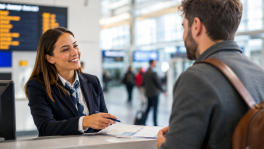
At the check-in, be particularly careful. Keep your eyes on your belongings at all times. Looking away only for a moment can be enough. And be particularly alert when somebody is making a scene, such as having an argument or jumping the queue. This is usually  part of the thieves' tactics.

On arrival if possible, have someone pick you up at the airport. If this isn't possible, find out in advance what transportation is available. Never take unregistered taxis, and ensure to write down the plate number of the cab you're taking in case an untoward incident happens.

If you have to use a public telephone, there are two risks. First, your personal things again. The person standing next to you may pretend to be talking and wait until you are looking for a number or not paying attention. Then, they may also try to steal your phone card and your personal identification number, so keep these separate. The thieves can easily sell your numbers, and you will be charged hundreds or thousands of pounds for calls you didn't make.

If you use an airport toilet, don't put your bag on the ground, and don't hang it on a hook. Someone can reach over and take it, and by the time you can get out, there will be no one in sight.

Lastly, in the restaurants, never reserve a seat first and leave your belongings unattended before buying your food because this will be an open invitation to the thieves.


Inscríbete ahora y accede a 2 unidades gratis

Evalua el curso de Inglés para viajar y accede a las 2 unidades gratis con acceso completo al aula virtual donde podrás disfrutar de la inestimable ayuda del tutor y una gran variedad de recursos como videotutoriales, ejercicios resueltos, foros, enlaces, bibliografía, etc....


Oir WMA 8. (B) LISTEN AND REPEAT

Be careful when you travel. Airports are often dangerous places with gangs of thieves hanging about. Here are some useful tips to take note of.

First baggage. Thieves keep their eyes on people who are well-dressed and who carry branded luggage. Be extra careful if you carry laptops and other valuable items that can be easily sold. If possible, don't carry a lot of different items - suitcases, handbags, briefcases, backpacks, duty free items, etc. See to it you look confident and sure of youself to avoid being a victim of thieves.

Now, credit cards and calling cards. Take only those which you are certain you will use. Leave all the others at home. Take note of the numbers you'll need to report a lost card. Keep copies of your passport and other documents, which are difficult to replace, in a separate place from the originals. Never put documents that cannot be replaced in the luggage you check in. Wrap your bags with packaging tape. This turns off thieves from attempting to open your luggage since it will be so tedious for them and will be too obvious to travellers.

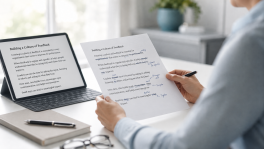

As for your cash - don't keep all your cash in one place. Keep some in different pockets, so that if you are a victim of thieves, at least you will have some cash left. Money belts are a good idea. Try and keep your passport separate from your cash.

At the check-in, be particularly careful. Keep your eyes on your belongings at all times. Looking away only for a moment can be enough. And be particularly alert when somebody is making a scene, such as having an argument or jumping the queue. This is usually  part of the thieves' tactics.

On arrival if possible, have someone pick you up at the airport. If this isn't possible, find out in advance what transportation is available. Never take unregistered taxis, and ensure to write down the plate number of the cab you're taking in case an untoward incident happens.

If you have to use a public telephone, there are two risks. First, your personal things again. The person standing next to you may pretend to be talking and wait until you are looking for a number or not paying attention. Then, they may also try to steal your phone card and your personal identification number, so keep these separate. The thieves can easily sell your numbers, and you will be charged hundreds or thousands of pounds for calls you didn't make.

If you use an airport toilet, don't put your bag on the ground, and don't hang it on a hook. Someone can reach over and take it, and by the time you can get out, there will be no one in sight.

Lastly, in the restaurants, never reserve a seat first and leave your belongings unattended before buying your food because this will be an open invitation to  the thieves.

When you think you have practised enough, go on to the next activity.

Fabulous!


Inscríbete ahora y accede a 2 unidades gratis

Evalua el curso de Inglés para viajar y accede a las 2 unidades gratis con acceso completo al aula virtual donde podrás disfrutar de la inestimable ayuda del tutor y una gran variedad de recursos como videotutoriales, ejercicios resueltos, foros, enlaces, bibliografía, etc....


8. (c) WRITE the missing words & READ aloud - click on the hand


Inscríbete ahora y accede a 2 unidades gratis

Evalua el curso de Inglés para viajar y accede a las 2 unidades gratis con acceso completo al aula virtual donde podrás disfrutar de la inestimable ayuda del tutor y una gran variedad de recursos como videotutoriales, ejercicios resueltos, foros, enlaces, bibliografía, etc....


Oir WMA 8. (d) ANSWER THE QUESTIONS & READ aloud - click on the ear to listen to the questions - click on the book to do the activity

First class!


Inscríbete ahora y accede a 2 unidades gratis

Evalua el curso de Inglés para viajar y accede a las 2 unidades gratis con acceso completo al aula virtual donde podrás disfrutar de la inestimable ayuda del tutor y una gran variedad de recursos como videotutoriales, ejercicios resueltos, foros, enlaces, bibliografía, etc....


Si desea obtener un acceso sin restricciones a los contenidos del curso de Inglés para viajar y disfrutar de todas las herramientas del aula virtual (Videos explicativos streaming, acceso a los foros, chat, ejercicios resueltos, la ayuda del tutor, audioconferencia, estudio de grabación, test y actividades de autoevaluación, etc...) puede inscribirse completamente gratis y comenzar a realizar de forma inmediata el curso.